



The European Court transfers the responsibility for the non-prosecution of crimes from the Prosecution to the Victims

 One year after it rejected the application of former detainees from the Šljivovica and Mitrovo Polje camps, the European Court of Human Rights issued a decision on October 19 2017 declaring the second application, submitted on behalf of family members of the killed camp detainees, inadmissible. The Humanitarian Law Center (HLC), which represented the victims’ families in these proceedings, points out that the European Court re-used the same, factually unsustainable structure of reasoning in order to transfer the responsibility for the inactivity of war crimes prosecutions from the state to the victims themselves.

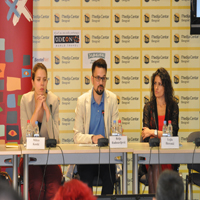
 On Tuesday, August 22nd, 2017, the Humanitarian Law Center (HLC) presented the report
 rmed conflicts in the territories of the former Yugoslavia lasted from 1991 to 2001. The wars in Croatia (1991-1995), Bosnia and Herzegovina (1992-1995) and Kosovo (1998-1999) resulted in the mass murders of civilians, ethnic cleansing and persecution of hundreds of thousands of people, but also a large number of grave crimes unseen in Europe since World War II. Serbia had an active and involved role in these conflicts. In the context of the armed conflicts, the authorities in Serbia during this entire period were responsible for serious violations of the fundamental rights of its own citizens from the ranks of national minorities, as well as of some members of the majority Serbian population. In Serbia today there are a significant number of citizens who came to Serbia as refugees owing to the wars in other countries of the former Yugoslavia, and most of them have remained in Serbia permanently. Among them are a fair number who survived crimes, whose physical and psychological consequences they suffer to this day, as well as many of those who lost one or more family members in the war.
 The Serbian Constitutional Court has adopted a
 On February 18th, 2017, it was 24 years since members of the then Yugoslav Army (VJ) attacked and destroyed by shelling the village of Kukurovići in the municipality of Priboj (Serbia), in which the majority of the population were Bosniaks, and killed three villagers. The Humanitarian Law Center (HLC) and the Sandžak Committee for the Protection of Human Rights and Freedoms (Sandžak Committee) use this opportunity to remind the public that even after 24 years, the state of Serbia does not accept responsibility for the crime and refuses to punish the perpetrators and compensate the victims’ families and those residents of Kukurovići whose property was destroyed.
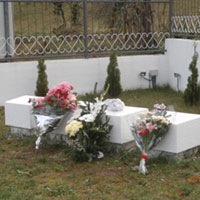
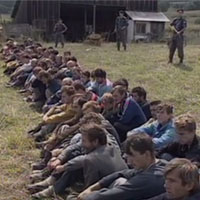
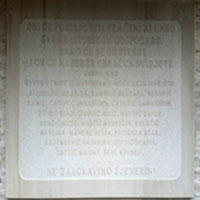
 On Saturday, 22 October, it will be twenty-four years since 16 Serbian citizens of Bosniak ethnicity from Sjeverin, near Priboj, were kidnapped and subsequently killed by members of Bosnian Serb forces during the armed conflict in Bosnia and Herzegovina (BiH). On this occasion, the Humanitarian Law Center (HLC) and the Sandžak Committee for Protection of Human Rights and Freedoms reiterate that after so many years of search the mortal remains of the victims have not yet been found, while the Serbian institutions persistently refuse to provide the victims with reparation, support and recognition.
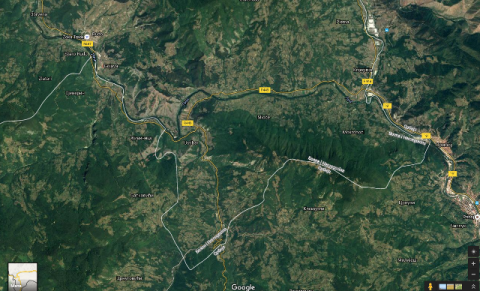
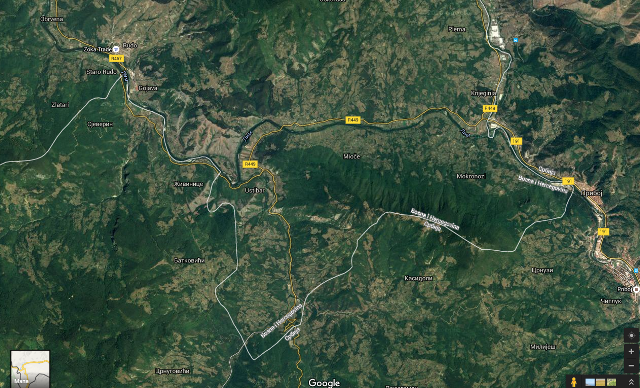 Case analysis: Republic of Serbia exempt from any responsibility for the crime against the inhabitants of Sjeverin